


As urban populations grow and cities face increasing congestion, electric bikes (ebikes) are emerging as an ideal solution for modern commuters. Offering a blend of convenience, affordability, and eco-friendliness, ebikes are changing the way people move through crowded urban landscapes.

The Growing Popularity of Ebikes: In cities around the world, commuters are turning to ebikes as an alternative to cars, motorcycles, and public transportation. Ebikes allow individuals to bypass traffic jams, avoid crowded buses and trains, and reach their destinations faster. In places like Berlin, New York, and Paris, ebikes are rapidly gaining popularity as cities build more cycling infrastructure to accommodate this growing trend.
Environmental Benefits: Ebikes are a sustainable transportation option, significantly reducing the carbon footprint compared to conventional vehicles. A study by the European Cyclists' Federation estimates that using an ebike instead of a car for short trips can reduce CO2 emissions by up to 90%. With the transportation sector being a major contributor to global carbon emissions, this shift towards electric mobility represents a critical step in addressing climate change.
Cost-effectiveness: The affordability of ebikes is another factor driving their adoption. While the initial cost may be higher than traditional bikes, the long-term savings on fuel and maintenance make ebikes a cost-effective solution. In addition, many cities offer subsidies and tax incentives to make ebikes more accessible to the public, further driving their adoption.
Challenges of Ebike Integration: However, the widespread adoption of ebikes in urban environments also presents several challenges. One major concern is safety. Many cities still lack the infrastructure to support a growing number of cyclists, with inadequate bike lanes and poor road conditions posing risks to riders. Furthermore, ebikes can sometimes be perceived as dangerous due to their speed and the lack of regulation around their use.
The Need for Better Infrastructure: To fully realize the potential of ebikes in urban commuting, cities need to invest in infrastructure that promotes safe and efficient cycling. This includes dedicated bike lanes, secure parking spaces, and traffic regulations tailored to the needs of cyclists.
As urban commuters continue to seek greener alternatives to cars, ebikes are poised to play a crucial role in the future of urban mobility.
Related Blogs
-
 Linyi Waytop New Energy Company a manufacturer of two-wheeler and three-wheeler electric vehicles, organized a beach team getaway to reward its hardworking team after months of focusing on optimizing electric scooters, tricycles, and sustainable mobility solutions. The team gathered at the company headquarters (many arriving on the company’s own two-wheeler electric scooters), carpooled to a beachfront homestay, and spent the weekend relaxing, bonding, and collaborating—from enjoying the beach, cooking together, to brainstorming new EV ideas. The trip not only allowed the team to unwind but also strengthened teamwork, reconnected members, and renewed motivation to innovate better electric mobility solutions, aligning with the company’s mission of building reliable EVs and a supportive team.
 -
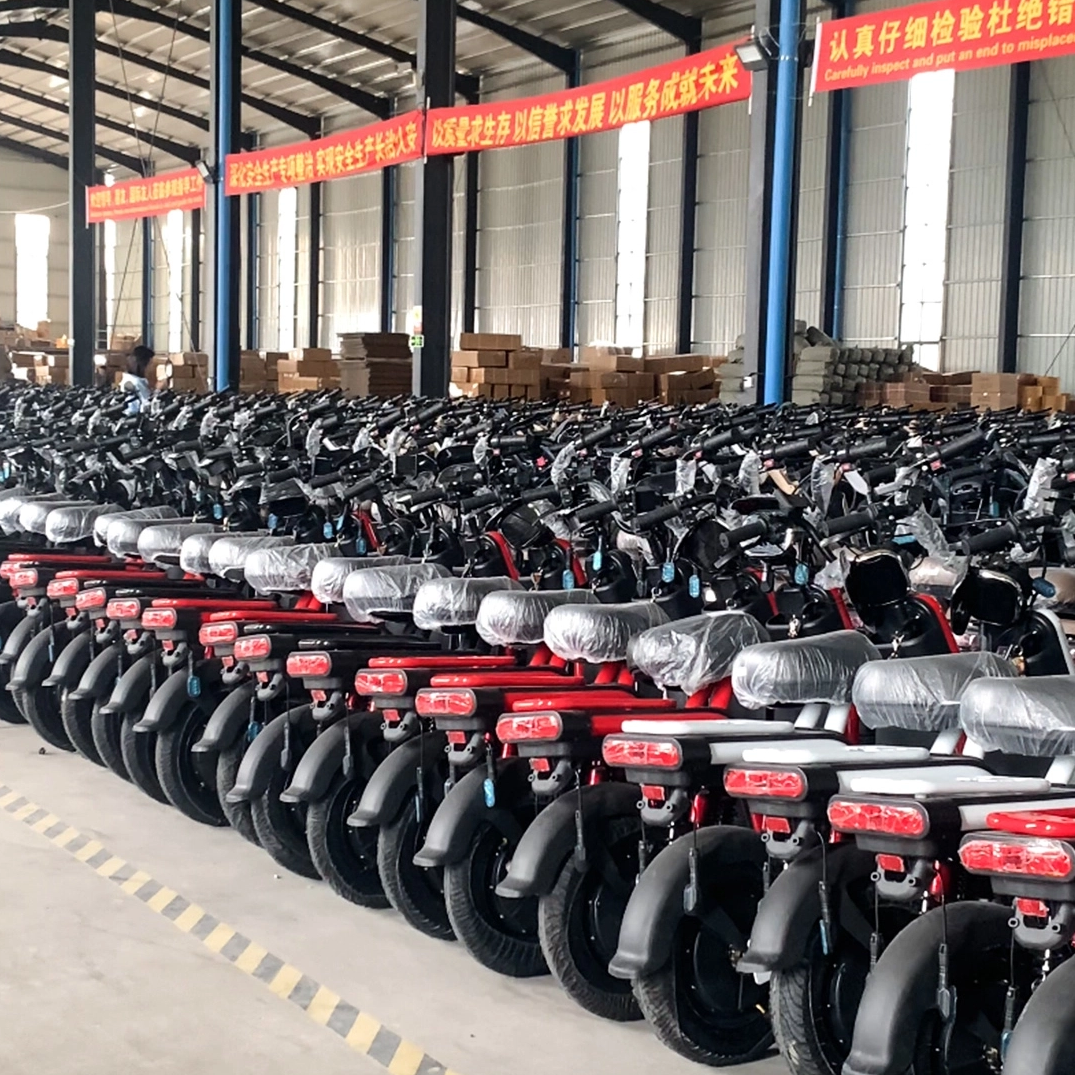 Linyi Waytop New Energy Co., Ltd. is a professional manufacturer specializing in sustainable electric transportation solutions, offering a wide range of products like electric bicycles, motorcycles, and tricycles. With over 5,000 square meters of production space and a highly skilled team, Waytop focuses on innovation, high-quality manufacturing, and customer-centric services. The company is dedicated to global expansion and driving industry transformation with green technology.
 -
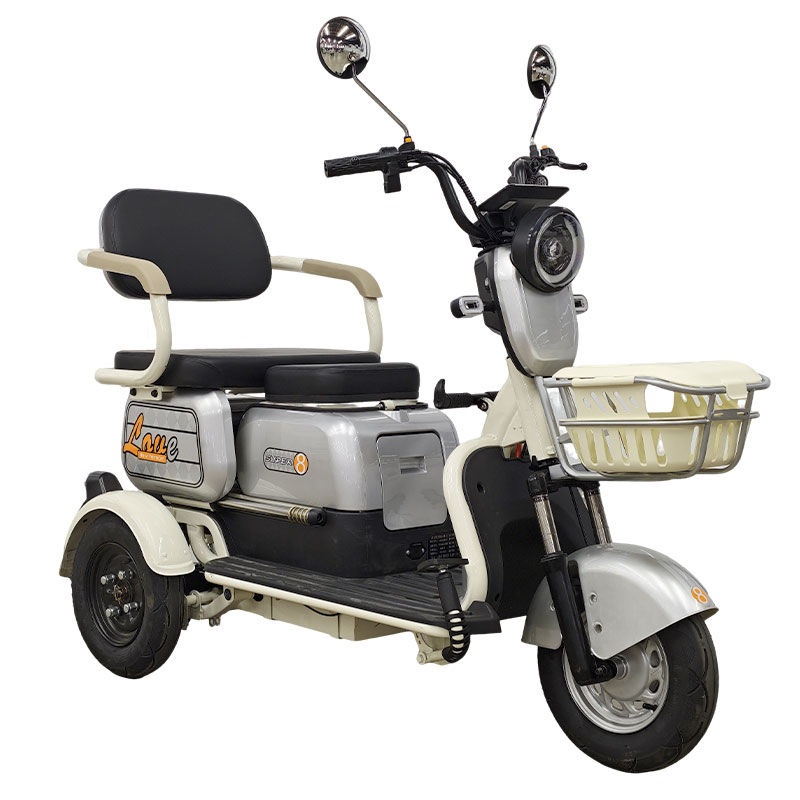 Global Certification Becomes Mandatory for Cross-Border E-Bike Bulk OrdersIn May 2026, global e-bike import regulations have entered a full-scale tightening phase, directly affecting all e-bike wholesalers, bulk suppliers and cross-border trading companies. European and North American markets now st
