


The electric bike (ebike) industry is poised for significant advancements by 2026. With growing urbanization, environmental concerns, and technological breakthroughs, ebikes will become a more integral part of global transportation networks.


Battery Innovations: The battery remains a pivotal element in the development of ebikes. In 2026, we expect to see more widespread adoption of solid-state batteries and graphene technology, which promise higher energy density, faster charging times, and longer lifespans compared to traditional lithium-ion batteries. As ebikes evolve, these innovations will significantly improve range, making them suitable for longer commutes.
Smart Features: The integration of AI and smart technologies will redefine the ebike experience. AI-powered systems will allow for dynamic adjustments based on terrain and rider behavior. Expect ebikes with automatic speed control, adaptive suspension systems, and enhanced navigation tools for urban environments. These features not only improve the riding experience but also enhance safety and comfort, particularly for first-time users.
Sustainability and Eco-friendliness: Environmental concerns will continue to drive the ebike market. As cities aim to reduce carbon emissions and improve air quality, ebikes offer a sustainable solution. With zero emissions during use and fewer resources required for manufacturing compared to cars, ebikes are becoming an attractive transportation option for eco-conscious consumers.
Integration with Public Transport: The trend towards mobility-as-a-service (MaaS) will see ebikes integrated into city-wide transportation ecosystems. In cities like Amsterdam and Copenhagen, ebikes will be part of a seamless multi-modal transport solution, where users can rent ebikes for short trips in between public transport, reducing congestion and reliance on cars.
Challenges to Overcome: However, for the ebike industry to fully realize its potential, several hurdles remain. Infrastructure development is crucial, as many cities lack dedicated cycling lanes. Additionally, government policies and incentives will play a significant role in the adoption of ebikes, particularly in emerging markets where affordability remains a barrier.
As these trends unfold, ebikes will undoubtedly become a mainstream mode of transport, offering a greener, more efficient way of getting around.
Related Blogs
-
 Linyi Waytop New Energy Company a manufacturer of two-wheeler and three-wheeler electric vehicles, organized a beach team getaway to reward its hardworking team after months of focusing on optimizing electric scooters, tricycles, and sustainable mobility solutions. The team gathered at the company headquarters (many arriving on the company’s own two-wheeler electric scooters), carpooled to a beachfront homestay, and spent the weekend relaxing, bonding, and collaborating—from enjoying the beach, cooking together, to brainstorming new EV ideas. The trip not only allowed the team to unwind but also strengthened teamwork, reconnected members, and renewed motivation to innovate better electric mobility solutions, aligning with the company’s mission of building reliable EVs and a supportive team.
 -
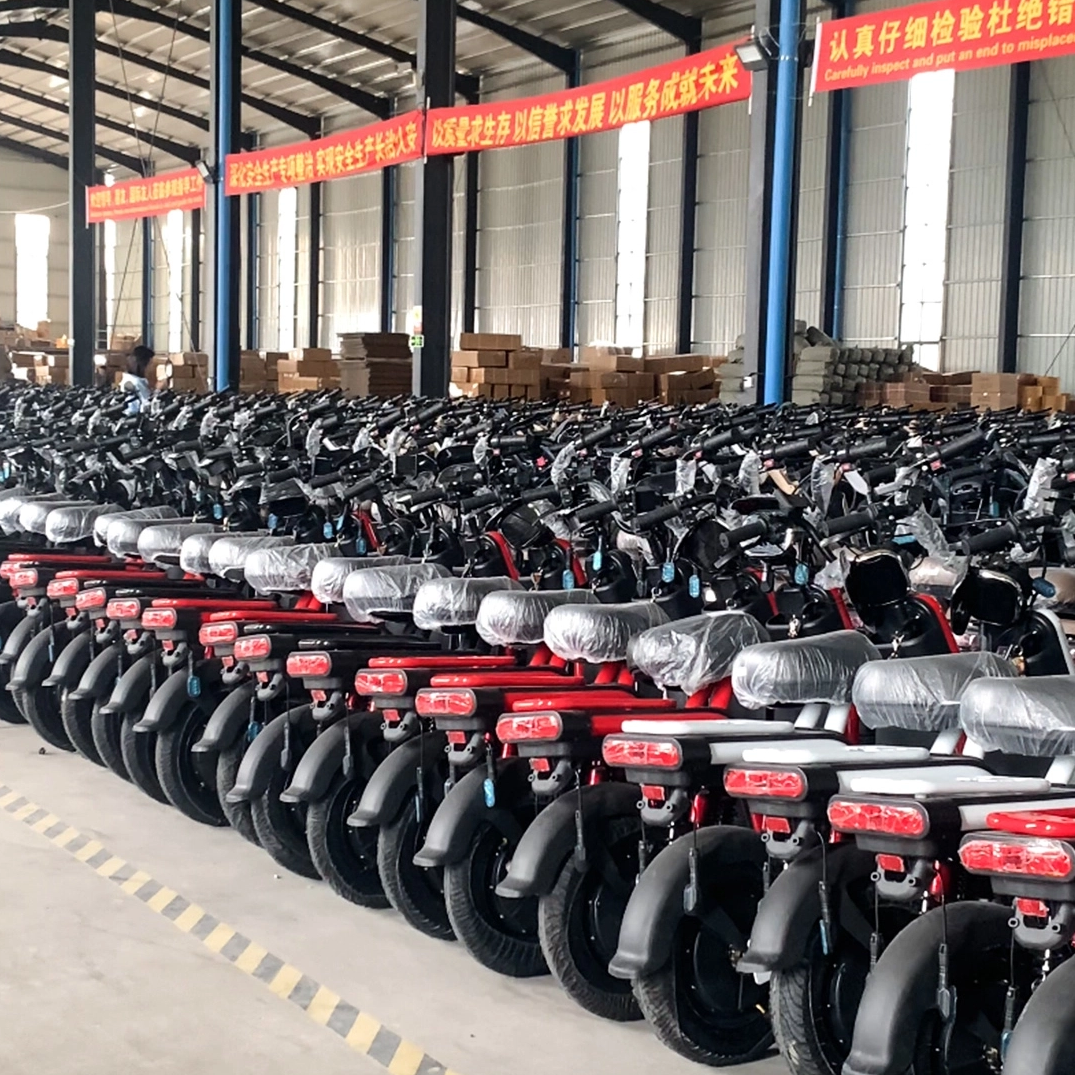 Linyi Waytop New Energy Co., Ltd. is a professional manufacturer specializing in sustainable electric transportation solutions, offering a wide range of products like electric bicycles, motorcycles, and tricycles. With over 5,000 square meters of production space and a highly skilled team, Waytop focuses on innovation, high-quality manufacturing, and customer-centric services. The company is dedicated to global expansion and driving industry transformation with green technology.
 -
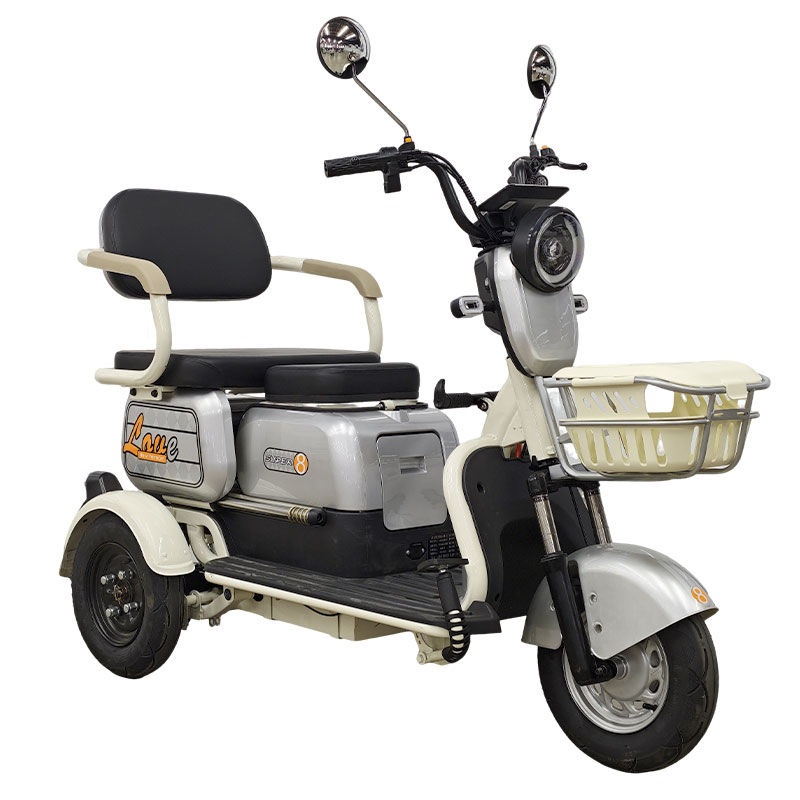 Global Certification Becomes Mandatory for Cross-Border E-Bike Bulk OrdersIn May 2026, global e-bike import regulations have entered a full-scale tightening phase, directly affecting all e-bike wholesalers, bulk suppliers and cross-border trading companies. European and North American markets now st
