


Electric bikes are quickly becoming a common sight in cities around the world. As urban populations continue to grow and traffic congestion increases, commuters are looking for transportation options that are both efficient and convenient.
Electric bikes provide a solution that combines the flexibility of cycling with the assistance of an electric motor. This combination allows riders to travel longer distances with less effort, making e-bikes suitable for daily commuting.
Over the past few years, improvements in technology and infrastructure have helped accelerate the adoption of electric bikes in many major cities.
Why Commuters Are Choosing Electric Bikes
Product Category


Faster Travel in Busy Cities
Traffic congestion is one of the most common challenges faced by urban commuters. In many metropolitan areas, rush hour traffic can significantly increase travel times.
Electric bikes allow riders to bypass much of this congestion by using bike lanes and smaller roadways. In some cases, commuting by e-bike can be faster than driving a car, especially for distances under ten miles.
Because electric motors assist with pedaling, riders can maintain a steady speed without becoming overly fatigued.
Affordable Transportation
Another major advantage of electric bikes is their affordability compared with other transportation options.
Operating a car involves expenses such as fuel, insurance, maintenance, and parking fees. Electric bikes require far fewer resources to operate.
Charging an e-bike battery typically costs only a small amount of electricity, and maintenance is generally limited to basic bicycle components such as tires and brakes.
For many commuters, switching to an electric bike can lead to noticeable savings over time.
Infrastructure Supporting E-Bike Growth
Expansion of Bike Lanes
City governments are increasingly investing in cycling infrastructure to support sustainable transportation. Dedicated bike lanes are being built or expanded in many urban areas.
These lanes help create safer environments for cyclists and encourage more people to consider biking as part of their daily commute.
Electric bike riders benefit from the same infrastructure improvements that support traditional cycling.
Integration with Public Transportation
Many commuters are also combining electric bikes with public transportation systems. Riders may cycle to a train station, park their bike, and then continue their journey by train or bus.
This type of multi-modal transportation allows commuters to cover longer distances while still avoiding traffic congestion.
Some cities are even introducing secure bike parking facilities near transit hubs to support this trend.
Environmental Benefits
Electric bikes offer significant environmental advantages compared with traditional vehicles.
Because e-bikes operate using rechargeable batteries, they produce no direct emissions during use. Replacing short car trips with electric bike rides can help reduce air pollution in cities.
Electric bikes also require less energy and fewer materials than larger vehicles, making them an efficient transportation option.
As environmental awareness grows, more people are choosing e-bikes as part of their efforts to reduce their carbon footprint.
Future Outlook for Commuting
The popularity of electric bikes among commuters is expected to continue growing. Improvements in battery technology, lightweight materials, and smart connectivity features are making modern e-bikes more practical than ever.
In addition, continued investment in cycling infrastructure will make urban riding safer and more convenient.
As cities search for ways to reduce congestion and improve air quality, electric bikes are likely to remain a key component of sustainable urban mobility.
Electric bikes are rapidly transforming the way people commute in cities. By offering a combination of efficiency, affordability, and environmental benefits, e-bikes are becoming a preferred transportation option for many urban residents.
With continued technological innovation and improved infrastructure, electric bike commuting is expected to become even more common in the years ahead.
Related Blogs
-
 Linyi Waytop New Energy Company a manufacturer of two-wheeler and three-wheeler electric vehicles, organized a beach team getaway to reward its hardworking team after months of focusing on optimizing electric scooters, tricycles, and sustainable mobility solutions. The team gathered at the company headquarters (many arriving on the company’s own two-wheeler electric scooters), carpooled to a beachfront homestay, and spent the weekend relaxing, bonding, and collaborating—from enjoying the beach, cooking together, to brainstorming new EV ideas. The trip not only allowed the team to unwind but also strengthened teamwork, reconnected members, and renewed motivation to innovate better electric mobility solutions, aligning with the company’s mission of building reliable EVs and a supportive team.
 -
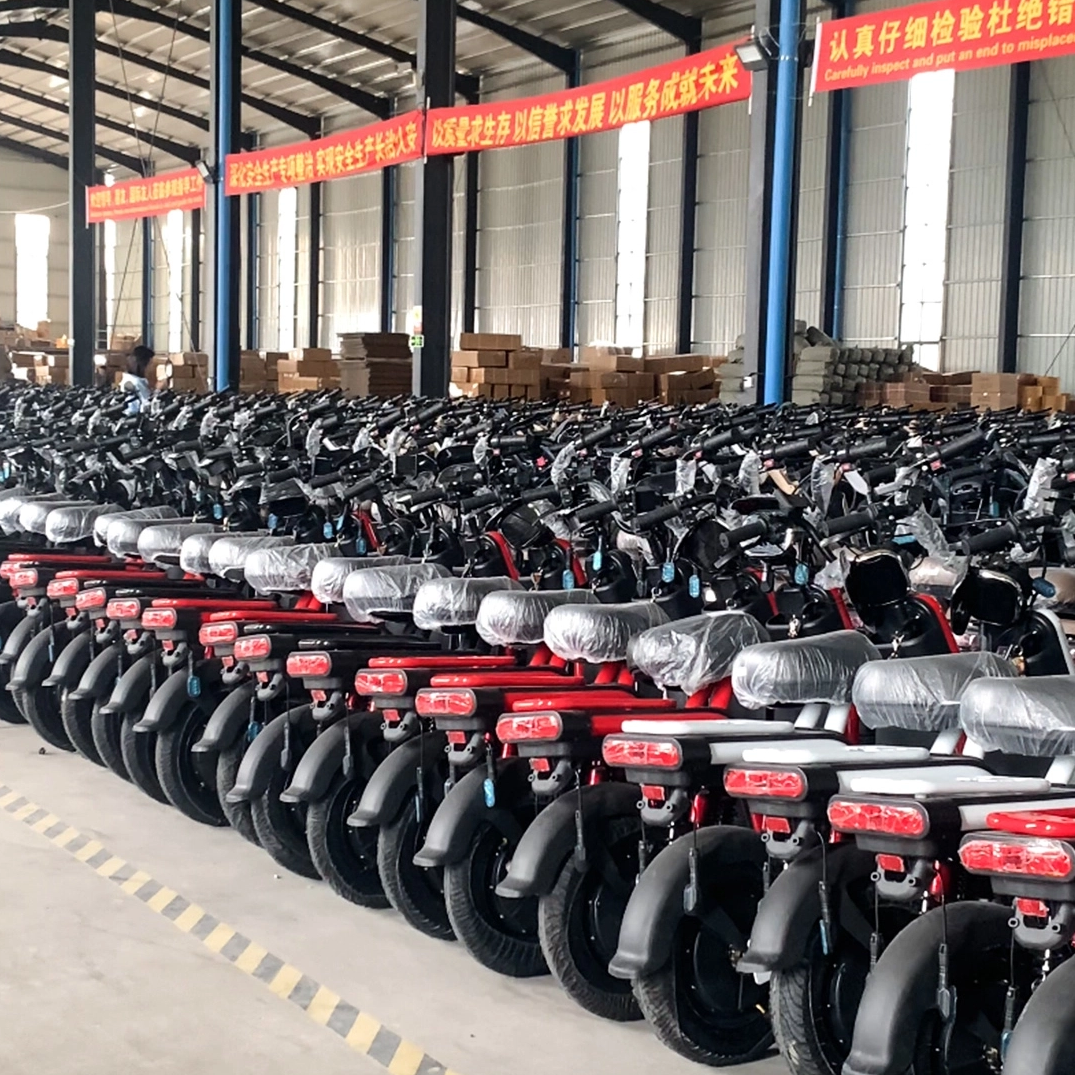 Linyi Waytop New Energy Co., Ltd. is a professional manufacturer specializing in sustainable electric transportation solutions, offering a wide range of products like electric bicycles, motorcycles, and tricycles. With over 5,000 square meters of production space and a highly skilled team, Waytop focuses on innovation, high-quality manufacturing, and customer-centric services. The company is dedicated to global expansion and driving industry transformation with green technology.
 -
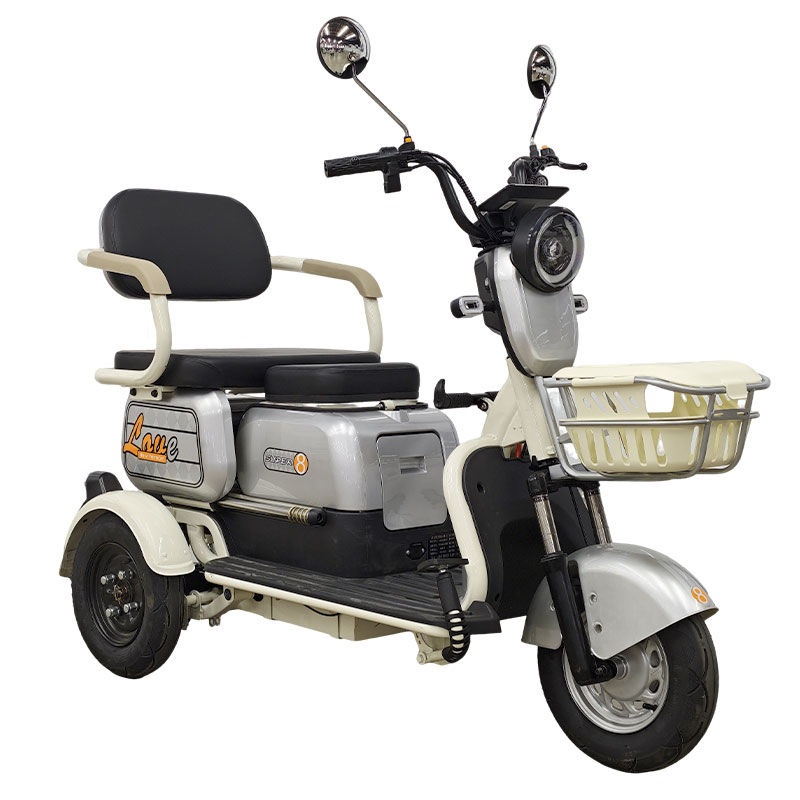 Global Certification Becomes Mandatory for Cross-Border E-Bike Bulk OrdersIn May 2026, global e-bike import regulations have entered a full-scale tightening phase, directly affecting all e-bike wholesalers, bulk suppliers and cross-border trading companies. European and North American markets now st
