Publish Time:
Views: 138
Author: Site Editor
Website:
Electric bikes are becoming an increasingly important part of modern transportation systems. As cities continue to grow and traffic congestion becomes more severe, many commuters are looking for alternatives that are efficient, affordable, and environmentally friendly.
Over the past decade, the electric bike market has expanded rapidly across North America, Europe, and Asia. Improvements in battery technology, motor performance, and urban cycling infrastructure have made e-bikes more practical for everyday travel.
What was once considered a niche product for cycling enthusiasts is now becoming a mainstream mobility solution used by commuters, delivery services, and recreational riders alike.
Rising Demand for Electric Bikes
Urban Commuting Is Changing
Commuting patterns in many cities are evolving. Traditional transportation options such as cars and buses often struggle to keep up with increasing population density and traffic congestion.
Electric bikes provide a flexible alternative for short and medium-distance travel. Riders can move through traffic more easily and often reach their destinations faster than drivers during peak commuting hours.
The pedal-assist system also reduces physical effort, allowing riders to travel longer distances without becoming exhausted. This makes e-bikes accessible to a wider group of people, including older riders and those who may not regularly cycle.
Because of these benefits, many commuters now view electric bikes as a practical everyday transportation tool rather than just a recreational product.
Lower Costs Compared With Cars
Another important factor driving e-bike adoption is cost efficiency. Operating a car involves fuel costs, insurance, parking fees, and maintenance expenses.
Electric bikes, by comparison, are far less expensive to operate. Charging an e-bike battery typically costs only a small amount of electricity, and maintenance requirements are relatively simple.
For urban commuters who travel moderate distances each day, switching from a car to an electric bike can significantly reduce transportation expenses.
This economic advantage is encouraging more consumers to consider e-bikes as part of their daily commuting routine.
Advances in E-Bike Technology
Battery technology has played a major role in the evolution of electric bikes. Earlier e-bike models often had limited range, which made them less suitable for daily commuting.
Modern lithium-ion batteries now provide significantly longer riding distances. Many electric bikes can travel between 40 and 80 miles on a single charge depending on terrain, rider weight, and assistance levels.
Fast-charging capabilities are also improving. Riders can recharge their batteries more quickly, making it easier to integrate electric bikes into daily transportation routines.
Manufacturers are continuing to invest in battery management systems that monitor temperature and power usage in order to improve efficiency and safety.
Smart Technology Enhances the Riding Experience
Technology integration is another major trend in the electric bike industry. Many modern e-bikes now feature digital displays that provide useful riding information such as speed, battery level, and distance traveled.
Some models also offer smartphone connectivity. Through mobile apps, riders can track their routes, monitor battery usage, and analyze riding data.
Security technology is improving as well. GPS tracking and smart locking systems help protect electric bikes from theft, which can be a concern in busy urban areas.
These digital features are making e-bikes more appealing to tech-savvy consumers who expect connected devices in their everyday lives.
Urban Infrastructure Supports E-Bike Growth
City governments are increasingly investing in cycling infrastructure to support sustainable transportation. Dedicated bike lanes are being expanded in many metropolitan areas, making cycling safer and more convenient.
Improved infrastructure benefits both traditional cyclists and electric bike riders. When safe cycling routes are available, more residents are willing to use bikes for commuting.
Some governments are also introducing financial incentives to encourage e-bike adoption. These programs may include subsidies or tax credits that reduce the cost of purchasing electric bikes.
Combined with infrastructure improvements, these policies are helping accelerate the growth of the e-bike market.
Environmental Benefits of Electric Bikes
Electric bikes offer several environmental advantages compared with traditional vehicles. Because they run on rechargeable batteries, e-bikes produce no direct emissions during operation.
Replacing short car trips with electric bike rides can significantly reduce carbon emissions in urban areas. E-bikes also consume far less energy than cars and require fewer resources to manufacture.
In addition, electric bikes help reduce traffic congestion and noise pollution in densely populated cities.
For these reasons, many environmental organizations support cycling and electric mobility as key components of sustainable urban transportation systems.
Future Outlook for the E-Bike Industry
The future of the electric bike industry appears very promising. As cities continue to grow, transportation systems will need more efficient and flexible mobility solutions.
Electric bikes are well positioned to meet these needs. Advances in battery technology, lightweight materials, and smart connectivity are likely to improve performance even further.
Industry experts predict that e-bikes will increasingly integrate with public transportation networks, allowing commuters to combine cycling with trains or buses.
As innovation continues and infrastructure expands, electric bikes are expected to become a central part of urban mobility worldwide.
Electric bikes are rapidly changing how people travel within cities. With improved technology, lower operating costs, and strong environmental benefits, e-bikes are becoming a practical transportation option for millions of commuters.
As governments invest in cycling infrastructure and manufacturers continue to innovate, the electric bike market is likely to grow even further in the coming years.


 Linyi Waytop New Energy Company a manufacturer of two-wheeler and three-wheeler electric vehicles, organized a beach team getaway to reward its hardworking team after months of focusing on optimizing electric scooters, tricycles, and sustainable mobility solutions. The team gathered at the company headquarters (many arriving on the company’s own two-wheeler electric scooters), carpooled to a beachfront homestay, and spent the weekend relaxing, bonding, and collaborating—from enjoying the beach, cooking together, to brainstorming new EV ideas. The trip not only allowed the team to unwind but also strengthened teamwork, reconnected members, and renewed motivation to innovate better electric mobility solutions, aligning with the company’s mission of building reliable EVs and a supportive team.
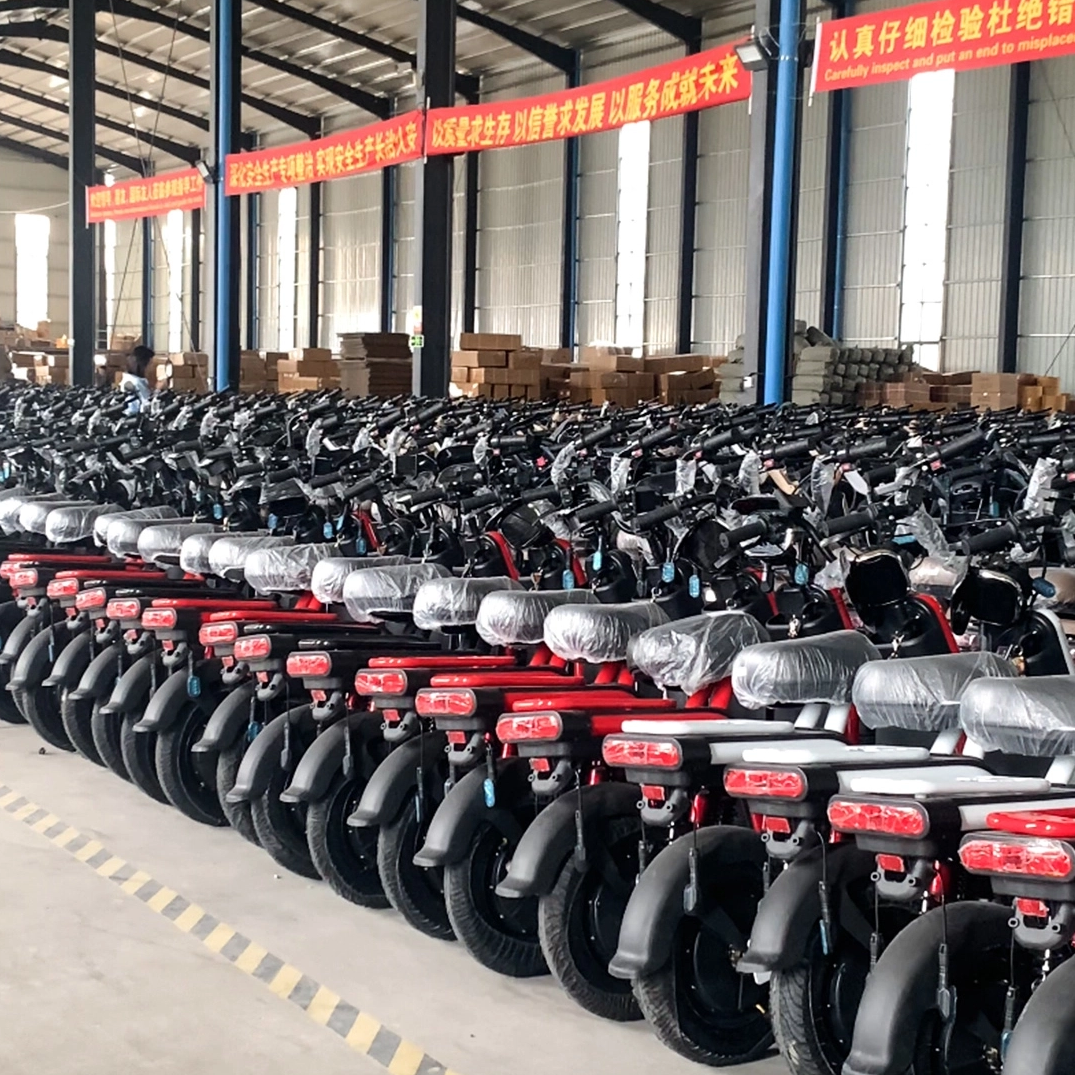 Linyi Waytop New Energy Co., Ltd. is a professional manufacturer specializing in sustainable electric transportation solutions, offering a wide range of products like electric bicycles, motorcycles, and tricycles. With over 5,000 square meters of production space and a highly skilled team, Waytop focuses on innovation, high-quality manufacturing, and customer-centric services. The company is dedicated to global expansion and driving industry transformation with green technology.
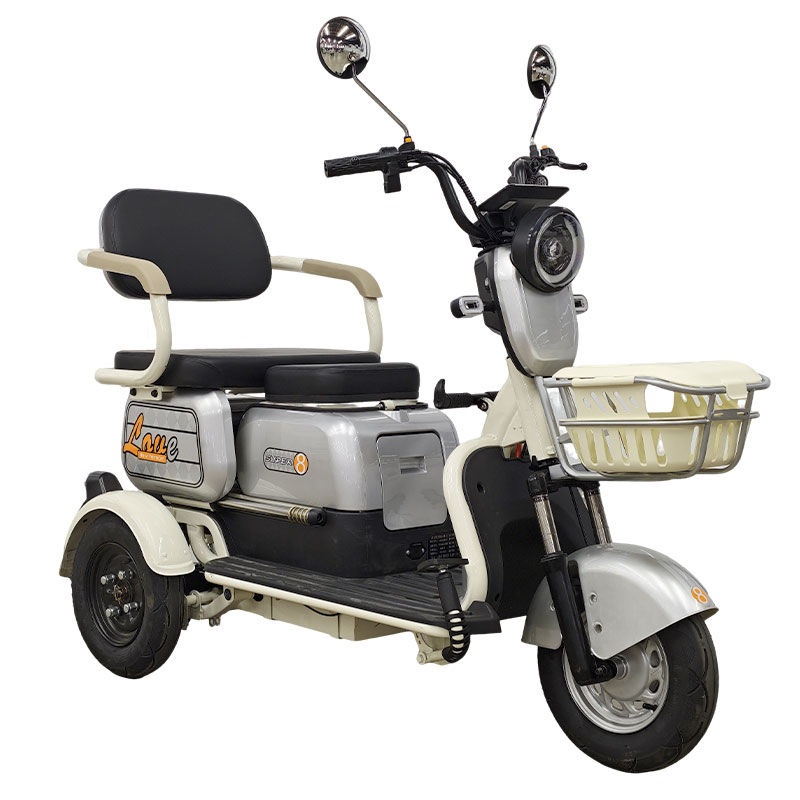 Global Certification Becomes Mandatory for Cross-Border E-Bike Bulk OrdersIn May 2026, global e-bike import regulations have entered a full-scale tightening phase, directly affecting all e-bike wholesalers, bulk suppliers and cross-border trading companies. European and North American markets now st
