


Battery technology plays a central role in the evolution of electric bikes. Over the past several years, improvements in lithium battery design and energy management systems have significantly increased the performance and practicality of modern e-bikes.
Earlier generations of electric bikes often faced limitations related to battery capacity and charging time. Riders sometimes worried about running out of power during longer trips, which limited the use of e-bikes for daily commuting or extended recreational rides.
Today, these concerns are gradually fading as manufacturers develop more advanced battery systems that offer longer range, faster charging, and improved durability.
Evolution of Electric Bike Batteries
From Early Batteries to Modern Lithium Systems
The earliest electric bikes relied on battery technologies that were relatively heavy and inefficient. Lead-acid batteries were commonly used in early models because they were inexpensive and widely available. However, they added significant weight to the bike and offered limited energy capacity.


As the industry developed, lithium-ion batteries became the standard for most electric bikes. Lithium batteries are lighter, more energy efficient, and capable of storing much more power compared with earlier technologies.
Because of these advantages, lithium battery systems have helped transform electric bikes into practical vehicles suitable for everyday transportation.
Increased Energy Capacity and Range
One of the most noticeable improvements in modern e-bike batteries is their increased capacity. Many current electric bikes are equipped with battery packs that allow riders to travel significantly farther on a single charge.
Depending on the model and riding conditions, some electric bikes can now reach distances of 40 to 80 miles without needing to recharge. This range is sufficient for most daily commuting needs and also allows riders to enjoy longer weekend rides.
Battery manufacturers are continuing to experiment with new materials and energy storage methods that could further increase capacity while reducing overall weight.
Faster Charging Technology
Reducing Charging Time
Charging time has always been an important factor for electric bike users. Riders want the ability to recharge their batteries quickly so they can continue using their bikes throughout the day.
Recent innovations in charging technology are helping reduce charging times significantly. Some modern battery systems can reach a substantial charge level in just a few hours.
Fast charging capabilities are especially useful for commuters who may need to recharge their bikes during work hours or overnight.
Convenience for Daily Riders
Shorter charging times make electric bikes much easier to integrate into everyday routines. Riders can charge their batteries at home, at the office, or even at public charging stations that are beginning to appear in many cities.
As charging infrastructure continues to expand, electric bikes may become even more convenient for urban commuters who rely on them for regular transportation.
Manufacturers are also designing removable battery packs that allow riders to charge batteries indoors while leaving the bike parked outside.
Safety Improvements in Battery Design
Safety is another important area of innovation in e-bike battery technology. Lithium batteries must be carefully managed to ensure stable performance and prevent overheating.
Modern electric bikes typically include battery management systems that monitor temperature, voltage, and charging conditions. These systems help protect the battery from damage and reduce the risk of malfunction.
Thermal protection features and improved cell design also contribute to greater safety. These technologies help maintain stable battery operation even under demanding riding conditions.
As safety standards continue to evolve, manufacturers are placing greater emphasis on reliable battery construction and certification.
Impact on the Electric Bike Industry
Advances in battery technology are helping drive the overall growth of the electric bike industry. Longer range and improved reliability make e-bikes more attractive to consumers who may previously have been hesitant to adopt the technology.
Delivery services and logistics companies are also beginning to rely on electric bikes for last-mile transportation. Longer battery range allows riders to complete multiple deliveries without needing frequent charging.
In addition, recreational cyclists appreciate the ability to explore longer routes and challenging terrain without worrying about battery limitations.
These developments are expanding the range of applications for electric bikes across many different industries.
Future Developments in E-Bike Batteries
Looking ahead, researchers are exploring several promising technologies that could further improve e-bike battery performance.
One area of interest is solid-state battery technology, which could potentially offer higher energy density and improved safety compared with traditional lithium batteries.
Another focus is reducing the overall weight of battery systems while maintaining high energy capacity. Lighter batteries would improve bike handling and make electric bikes easier to transport.
Continued innovation in battery chemistry and power management systems is expected to play a major role in the future development of electric bikes.
Battery technology remains one of the most important factors shaping the future of electric bikes. With longer range, faster charging, and improved safety systems, modern batteries are making electric bikes more practical for commuting, recreation, and commercial use.
As research continues and manufacturers introduce new innovations, electric bikes are likely to become even more efficient and reliable in the years ahead.
These technological advances are helping establish electric bikes as a key component of sustainable urban transportation.
Related Blogs
-
 Linyi Waytop New Energy Company a manufacturer of two-wheeler and three-wheeler electric vehicles, organized a beach team getaway to reward its hardworking team after months of focusing on optimizing electric scooters, tricycles, and sustainable mobility solutions. The team gathered at the company headquarters (many arriving on the company’s own two-wheeler electric scooters), carpooled to a beachfront homestay, and spent the weekend relaxing, bonding, and collaborating—from enjoying the beach, cooking together, to brainstorming new EV ideas. The trip not only allowed the team to unwind but also strengthened teamwork, reconnected members, and renewed motivation to innovate better electric mobility solutions, aligning with the company’s mission of building reliable EVs and a supportive team.
 -
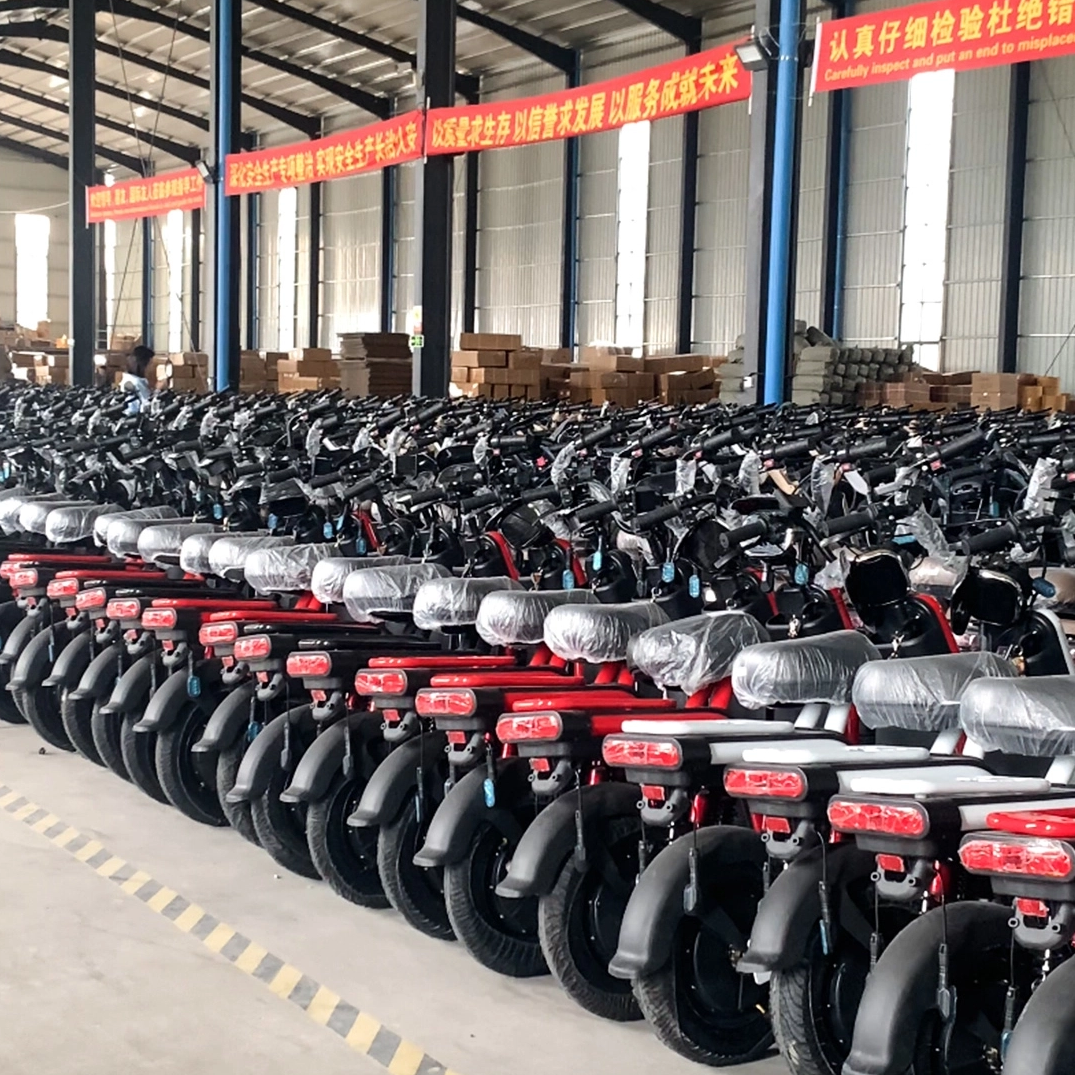 Linyi Waytop New Energy Co., Ltd. is a professional manufacturer specializing in sustainable electric transportation solutions, offering a wide range of products like electric bicycles, motorcycles, and tricycles. With over 5,000 square meters of production space and a highly skilled team, Waytop focuses on innovation, high-quality manufacturing, and customer-centric services. The company is dedicated to global expansion and driving industry transformation with green technology.
 -
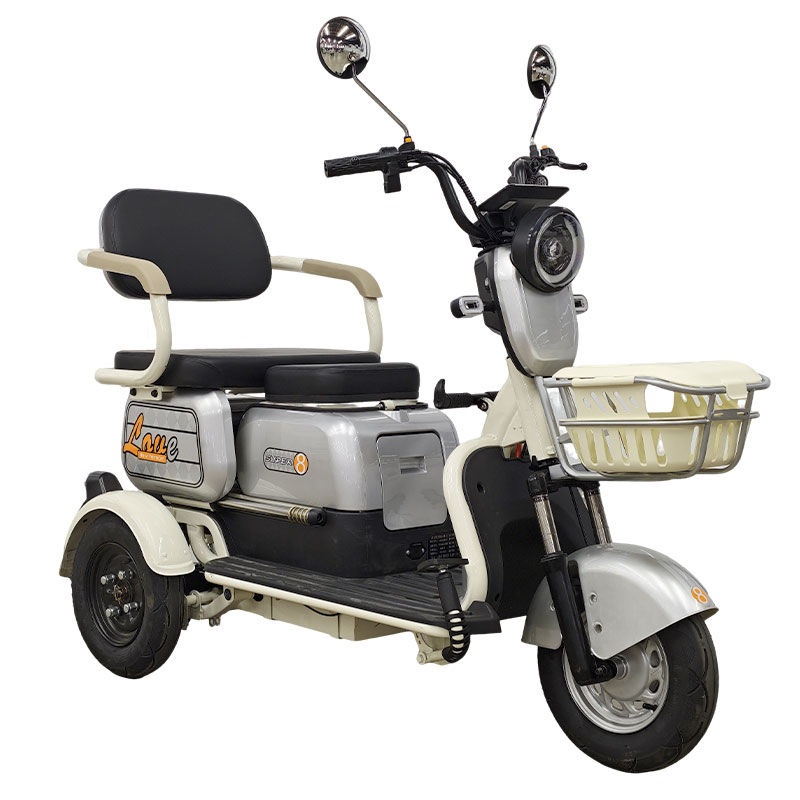 Global Certification Becomes Mandatory for Cross-Border E-Bike Bulk OrdersIn May 2026, global e-bike import regulations have entered a full-scale tightening phase, directly affecting all e-bike wholesalers, bulk suppliers and cross-border trading companies. European and North American markets now st
