For urban dwellers tired of traffic jams, expensive public transit, or bulky cars, an electric city bike (electric city bike) has become a go-to solution for daily commutes, errands, or casual rides. But with dozens of models on the market—from budget-friendly options to high-end smart bikes—knowing what to prioritize can save you from buyer’s remorse. Below are the critical factors to consider before hitting “add to cart,” tailored to real urban user needs.
1. Battery Range: Match It to Your Daily Routine
The battery is the heart of an electric city bike, and its range (how far it can go on a single charge) should align with your typical rides. Don’t just rely on the manufacturer’s “maximum range” claim—those numbers are often tested in ideal conditions (flat roads, no wind, minimal pedal assist). Instead, calculate your real-world needs first:
· If you commute 5 miles each way (10 miles round-trip), look for a bike with a 20–30 mile range to account for detours (e.g., stopping for groceries) or unexpected headwinds.
· For longer days (e.g., 15-mile round-trips), opt for a 40+ mile range, or choose a model with a removable battery—this lets you charge it at work or home without hauling the entire bike.
Also, check the battery type: Lithium-ion batteries are the standard for e-bikes, as they’re lightweight, long-lasting, and hold a charge well. Avoid older lead-acid batteries, which are heavy and degrade faster.
2. Motor Type: Prioritize Comfort for City Streets
Electric city bikes use two main motor types—hub motors (in the front or rear wheel) and mid-drive motors (near the pedals)—and each works better for different urban scenarios:
· Hub motors are ideal for flat cities (e.g., Miami, Chicago’s lakefront) or casual riders. They’re quiet, low-maintenance, and often more affordable. Rear-hub motors provide better traction (useful for wet streets), while front-hub motors feel more “natural” when pedaling.
· Mid-drive motors shine for hilly cities (e.g., San Francisco, Seattle) or riders who want a smooth, balanced ride. They distribute weight evenly, making the bike easier to handle on curbs or tight turns, and work with the bike’s gears to tackle inclines without straining.
Motor power (measured in watts) also matters: 250W is the sweet spot for most cities—it’s enough to help you keep up with traffic (usually 15–20 mph) without being overkill (or violating local e-bike speed limits).
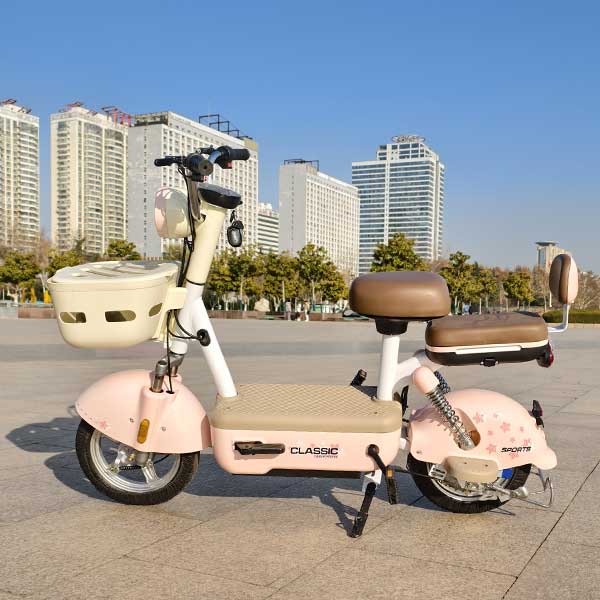
Pink Sakura Pedicab
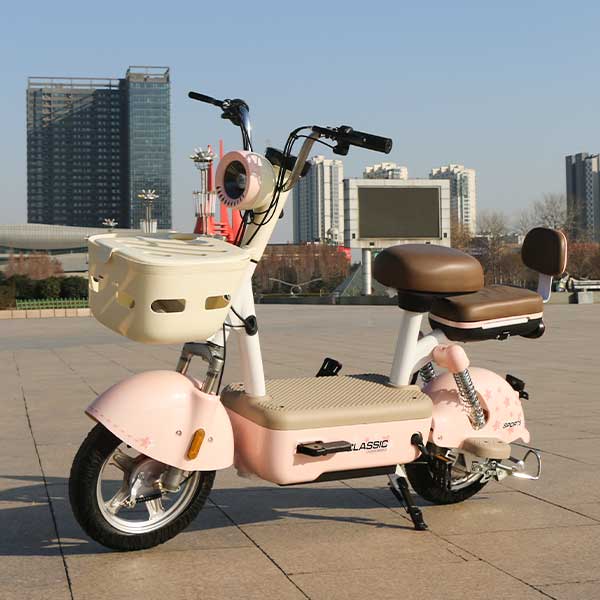
Sweet Peach Light Bicycle
3. Frame Design: Comfort > Style (But You Can Have Both)
Urban rides often involve stop-and-go traffic, so a frame that prioritizes comfort and practicality is key—even if you love a sleek look. Here’s what to check:
· Step-through frames (no top bar) are a game-changer for commuters: They let you mount/dismount easily, even in a skirt, dress, or work pants, and are more stable when stopping at red lights.
· Frame size: Don’t buy a one-size-fits-all bike. A frame that’s too small will leave you hunched over (causing back pain), while a too-large frame makes it hard to control. Most brands list height recommendations (e.g., “5’2”–5’6” for a small frame”)—follow them.
· Weight: City bikes often need to be carried up stairs (to an apartment or office) or lifted into a car. Look for models under 50 pounds—heavier bikes (60+ pounds) will quickly feel like a chore.
4. Practical Features: Think About Daily Errands
An electric city bike isn’t just for commuting—it’s for running errands, picking up coffee, or carrying a laptop bag. Prioritize features that make these tasks easier:
· Racks/baskets: A rear rack can hold a backpack or pannier (for groceries), while a front basket is perfect for small items (e.g., a water bottle, phone, or lunch). Look for sturdy, rust-resistant options (aluminum is better than plastic).
· Integrated lights: Many cities require lights after dark, so built-in LED headlights (bright enough to see potholes) and taillights (visible to cars) save you from buying and installing separate ones. Bonus points if they’re rechargeable via the bike’s battery.
· Brakes: Wet or crowded streets demand reliable brakes. Hydraulic disc brakes are the best choice—they stop quickly in rain, snow, or heavy traffic, and require less maintenance than mechanical brakes. Avoid rim brakes (common on cheap bikes)—they lose power when wet.
5. Budget: Don’t Skimp on the Essentials
Our electric city bikes range in price from 200to1000+, offering quality options without requiring a luxury budget:
200–300: Entry-level models (350W/500W hub motor, 30-40/35-60 mile range, mechanical disc brakes) ideal for beginners or casual riders
Mid-to-high-end models: (60+ mile range, hydraulic disc brakes, removable battery, smart features like app connectivity, mid-drive motor, carbon fiber frame...) designed for daily commuters and performance enthusiasts
Final Tip: Test Ride Before You Buy
No list of features can replace the feel of a bike under you. If possible, visit a local bike shop to test ride 2–3 models: Does the seat feel comfortable (or can you replace it easily)? Is the handlebar height adjustable (to avoid neck pain)? Does the motor kick in smoothly, or is it jerky?
By focusing on these factors—battery range, motor type, frame comfort, practical features, and budget—you’ll find an electric city bike that doesn’t just get you from A to B, but makes the ride enjoyable, too.


 Linyi Waytop New Energy Company a manufacturer of two-wheeler and three-wheeler electric vehicles, organized a beach team getaway to reward its hardworking team after months of focusing on optimizing electric scooters, tricycles, and sustainable mobility solutions. The team gathered at the company headquarters (many arriving on the company’s own two-wheeler electric scooters), carpooled to a beachfront homestay, and spent the weekend relaxing, bonding, and collaborating—from enjoying the beach, cooking together, to brainstorming new EV ideas. The trip not only allowed the team to unwind but also strengthened teamwork, reconnected members, and renewed motivation to innovate better electric mobility solutions, aligning with the company’s mission of building reliable EVs and a supportive team.
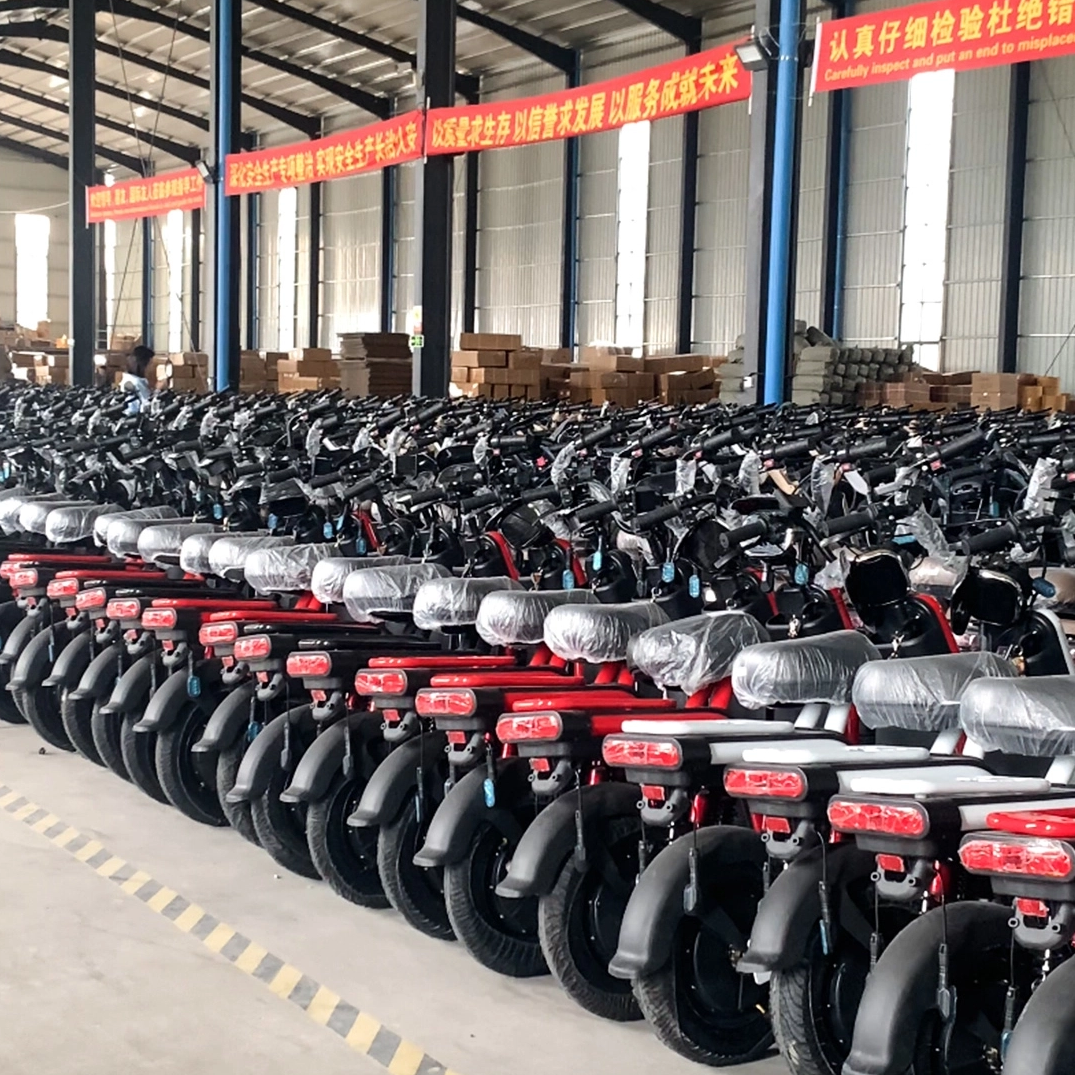 Linyi Waytop New Energy Co., Ltd. is a professional manufacturer specializing in sustainable electric transportation solutions, offering a wide range of products like electric bicycles, motorcycles, and tricycles. With over 5,000 square meters of production space and a highly skilled team, Waytop focuses on innovation, high-quality manufacturing, and customer-centric services. The company is dedicated to global expansion and driving industry transformation with green technology.
 Global Certification Becomes Mandatory for Cross-Border E-Bike Bulk OrdersIn May 2026, global e-bike import regulations have entered a full-scale tightening phase, directly affecting all e-bike wholesalers, bulk suppliers and cross-border trading companies. European and North American markets now st
