Over the past half-decade, the electric bicycle market has surged at an unprecedented pace—fueled by rapid urbanization, mounting concerns over carbon emissions, and a growing desire for accessible fitness options. Unlike traditional bicycles, e-bikes strike a perfect balance between convenience and physical activity: their pedal-assist systems reduce the strain of long rides, making them a game-changer for daily commutes in traffic-clogged cities. Whether navigating busy downtown streets or avoiding public transit crowds, e-bikes have evolved from a niche product to a mainstream choice for eco-conscious and time-strapped consumers.
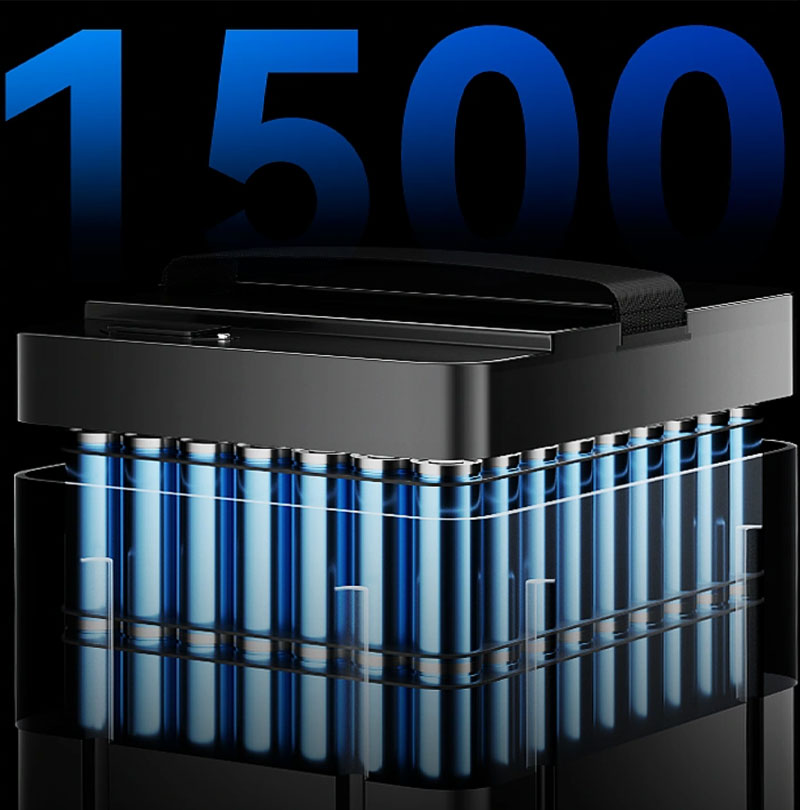
battery
A standout trend driving market growth is the leap forward in e-bike battery technology. Modern lithium-ion batteries have undergone remarkable advancements, with energy density improving by 30% in just three years. Today’s top models offer a range of 60 to 100 miles per charge—eliminating the "range anxiety" that once held back adoption. For commuters who travel 15-20 miles round-trip daily, this means charging only once or twice a week, while weekend riders can tackle longer trails without worrying about running out of power. Additionally, fast-charging capabilities (some batteries reach 80% charge in 45 minutes) and lightweight designs (down to 2.5 pounds) have made e-bikes even more practical for everyday use.
Another transformative trend is the integration of smart technology into e-bike design. Leading manufacturers now equip models with built-in GPS navigation, which syncs with smartphone apps to suggest the most bike-friendly routes—avoiding steep hills or busy roads. Fitness tracking features monitor distance, speed, calories burned, and even heart rate (when paired with a smartwatch), turning e-bikes into portable fitness tools. Mobile connectivity also enables real-time performance analytics: riders can check battery life, adjust assist levels, and even lock their bikes remotely via an app. Some high-end models even include anti-theft sensors that send alerts to the owner’s phone if the bike is moved without authorization.
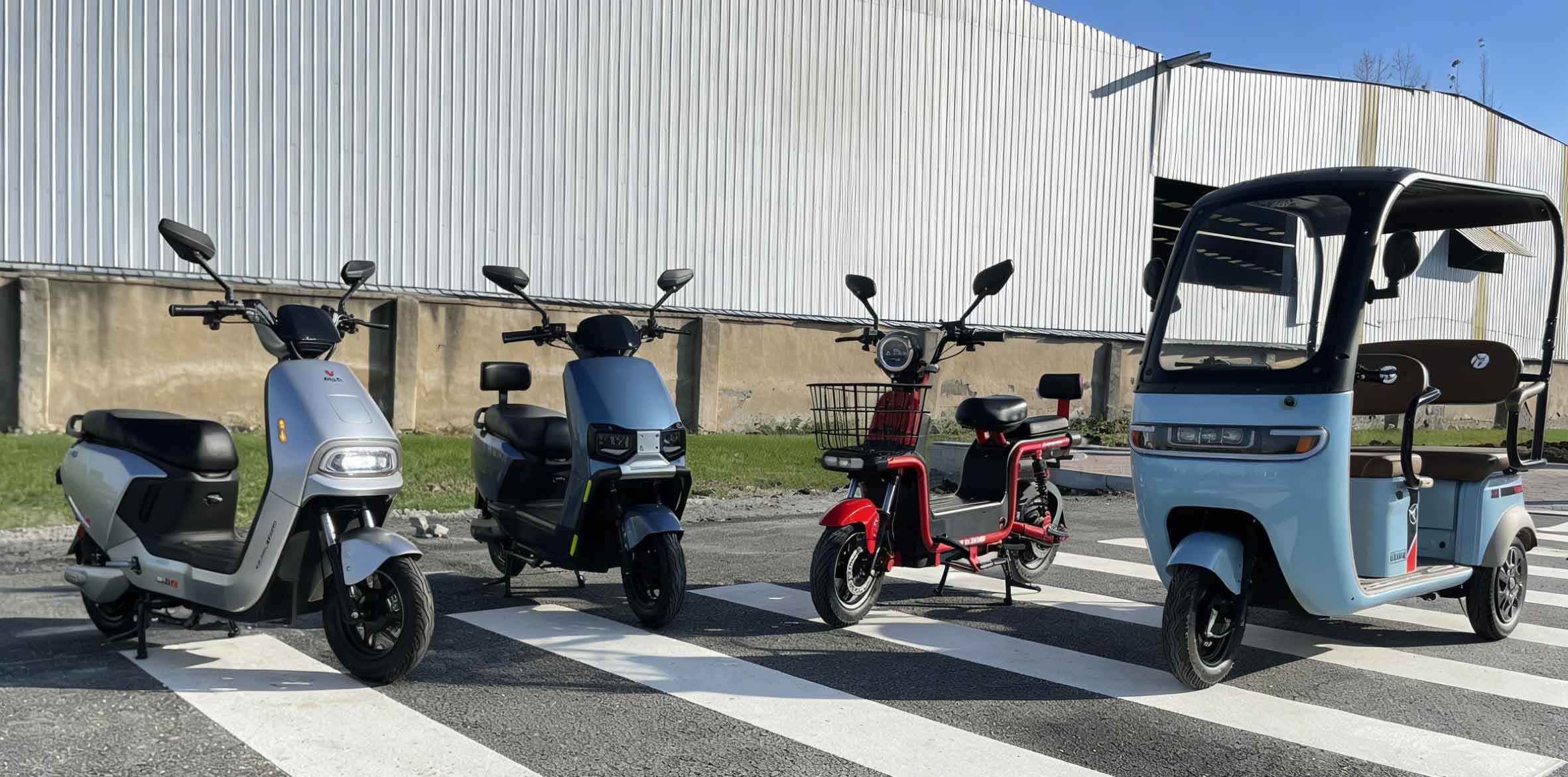
Beyond functionality, e-bikes are becoming more stylish and customizable, catering to diverse consumer tastes. No longer limited to clunky, utilitarian designs, today’s e-bikes come in sleek urban styles, retro-inspired frames, and rugged off-road models. Manufacturers offer a wide range of color options, from classic black and white to bold hues like emerald green and coral. Accessories have also expanded: detachable cargo racks for groceries or backpacks, integrated LED lights for night riding, and adjustable seats and handlebars for personalized comfort. This focus on aesthetics and customization has helped e-bikes appeal to younger consumers and those who want a mode of transport that reflects their personal style.
The rise of e-commerce has further accelerated market expansion. Online retailers offer detailed product comparisons, customer reviews, and virtual test ride videos, making it easier for consumers to research and purchase e-bikes without visiting a physical store. Many brands also provide home delivery and hassle-free return policies, reducing the barriers to adoption. As more people discover the convenience of online shopping for big-ticket items like e-bikes, the market is expected to grow at a compound annual growth rate (CAGR) of 9.5% over the next five years, with sustainable transportation initiatives and government incentives (such as tax credits for eco-friendly commuting) further boosting demand.
E-bikes are also emerging as a key player in the fitness and wellness space. Unlike traditional bikes, which can be intimidating for beginners or those with joint pain, e-bikes allow riders to control the level of assist—starting with higher support and gradually reducing it as their fitness improves. This makes cycling accessible to a wider range of people, from seniors looking to stay active to busy professionals who want to fit exercise into their daily commute. Fitness-focused e-bikes often include features like torque sensors that adjust assist based on pedaling effort, encouraging riders to push themselves while avoiding overexertion.
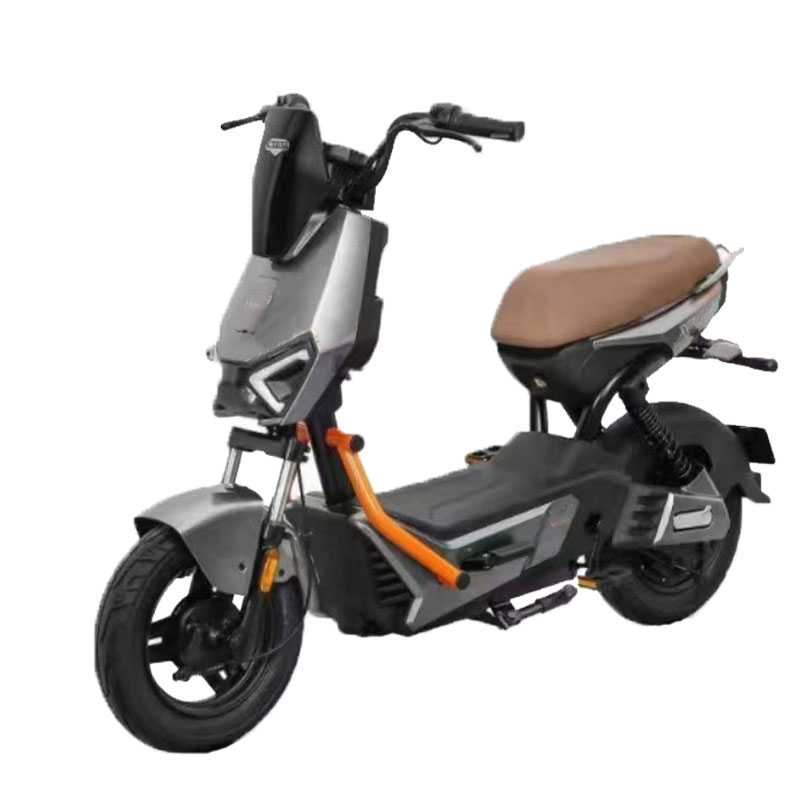
electric bicycle
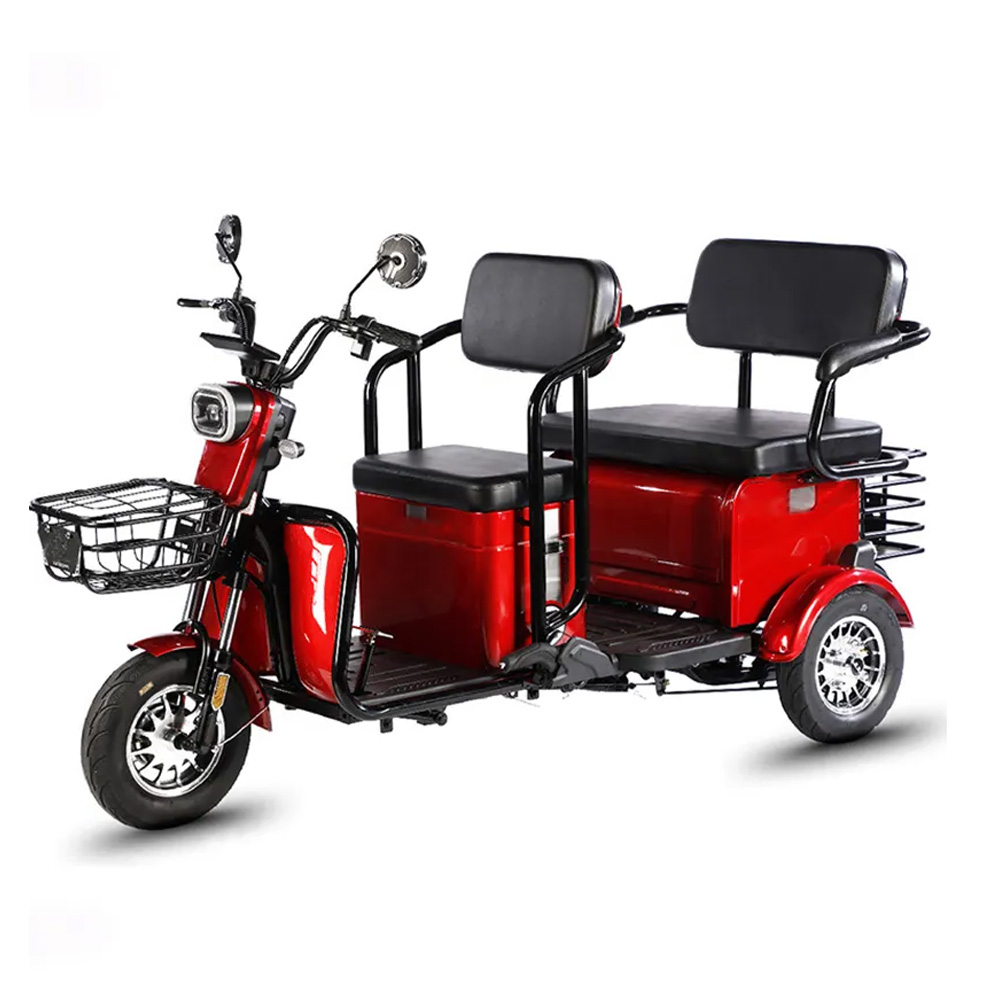
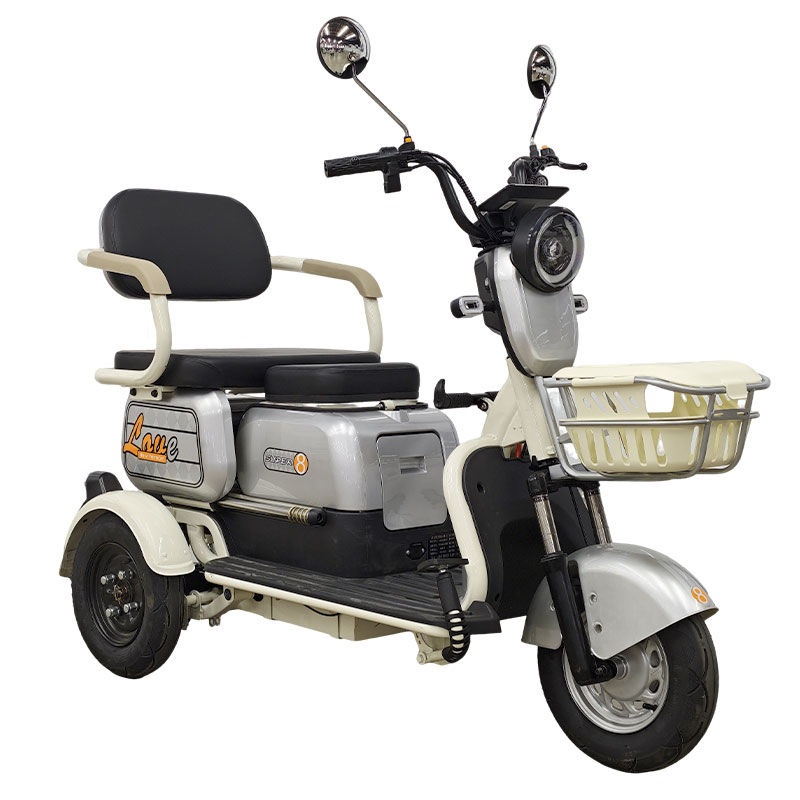
electric tricycle
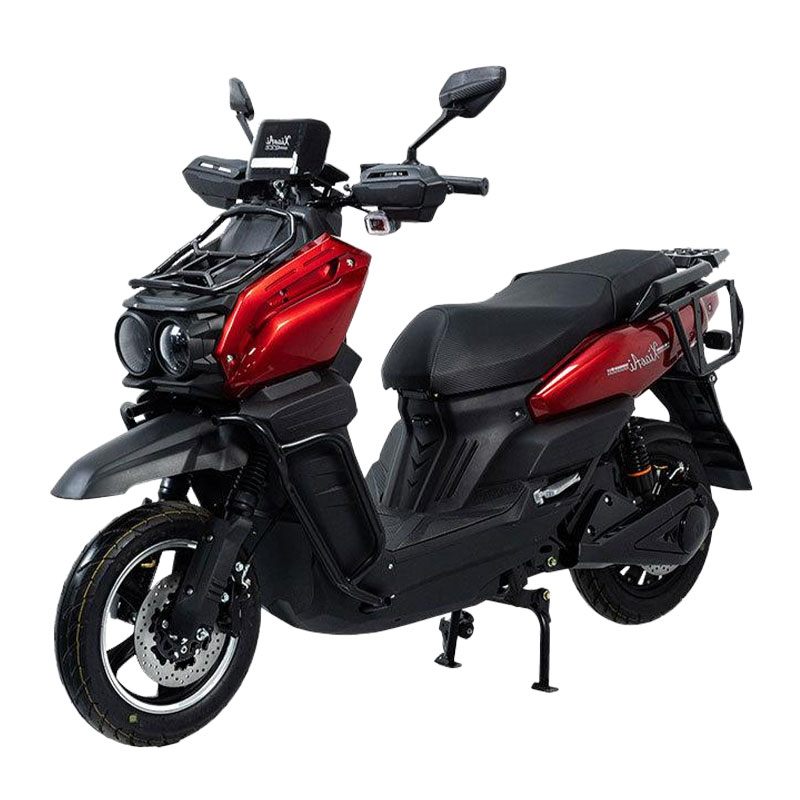
electric motorcycle
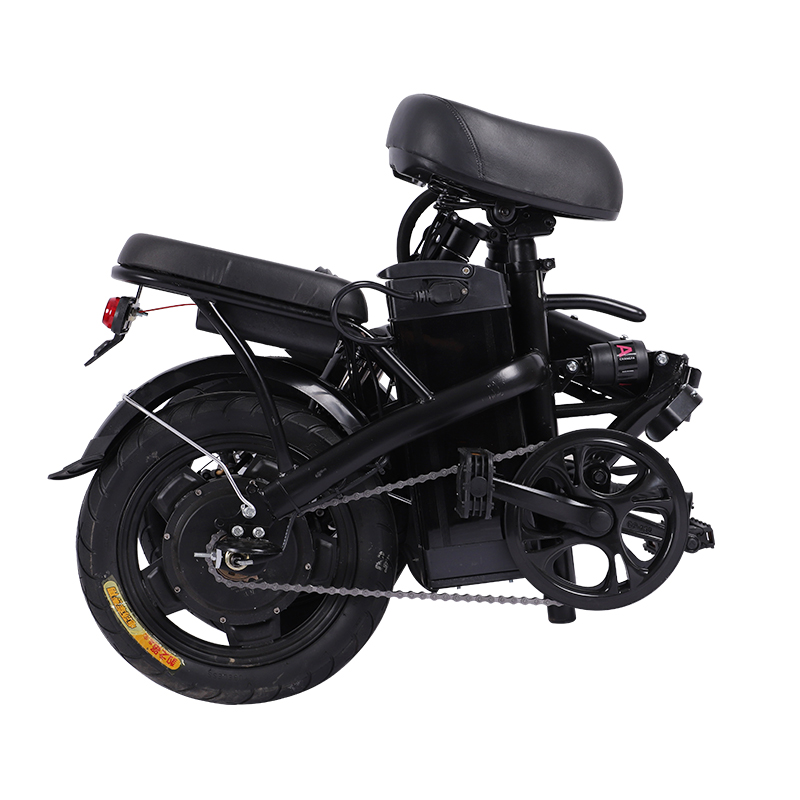
electric folding
Practical Tip for Choosing an E-Bike
When selecting an e-bike, prioritize alignment with your typical riding terrain. For hilly urban areas or rural trails with steep inclines, opt for a model with a torque motor of at least 50 Nm (newton-meters)—this ensures enough power to tackle climbs without draining the battery. Pair it with a battery capacity of 500 Wh (watt-hours) or higher for extended range. If you mostly ride on flat city streets, a lower torque motor (35-40 Nm) and smaller battery (300-400 Wh) will be more cost-effective and lightweight. Don’t forget to test the bike’s handling and adjustability—comfortable seating and easy-to-reach controls can make a big difference in daily use.


 Linyi Waytop New Energy Company a manufacturer of two-wheeler and three-wheeler electric vehicles, organized a beach team getaway to reward its hardworking team after months of focusing on optimizing electric scooters, tricycles, and sustainable mobility solutions. The team gathered at the company headquarters (many arriving on the company’s own two-wheeler electric scooters), carpooled to a beachfront homestay, and spent the weekend relaxing, bonding, and collaborating—from enjoying the beach, cooking together, to brainstorming new EV ideas. The trip not only allowed the team to unwind but also strengthened teamwork, reconnected members, and renewed motivation to innovate better electric mobility solutions, aligning with the company’s mission of building reliable EVs and a supportive team.
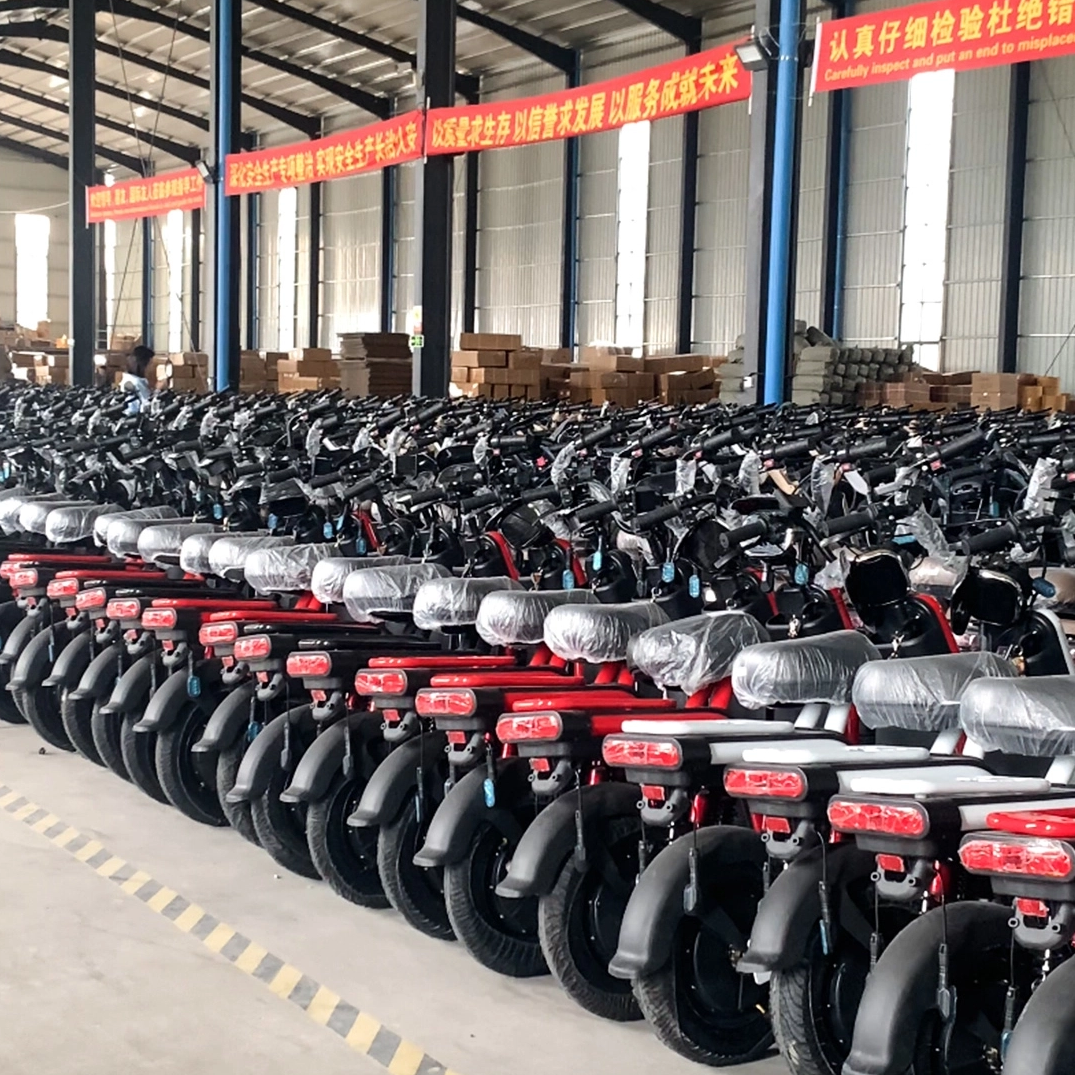 Linyi Waytop New Energy Co., Ltd. is a professional manufacturer specializing in sustainable electric transportation solutions, offering a wide range of products like electric bicycles, motorcycles, and tricycles. With over 5,000 square meters of production space and a highly skilled team, Waytop focuses on innovation, high-quality manufacturing, and customer-centric services. The company is dedicated to global expansion and driving industry transformation with green technology.
 Global Certification Becomes Mandatory for Cross-Border E-Bike Bulk OrdersIn May 2026, global e-bike import regulations have entered a full-scale tightening phase, directly affecting all e-bike wholesalers, bulk suppliers and cross-border trading companies. European and North American markets now st
